
"If we don't have s3x, they get grumpy."
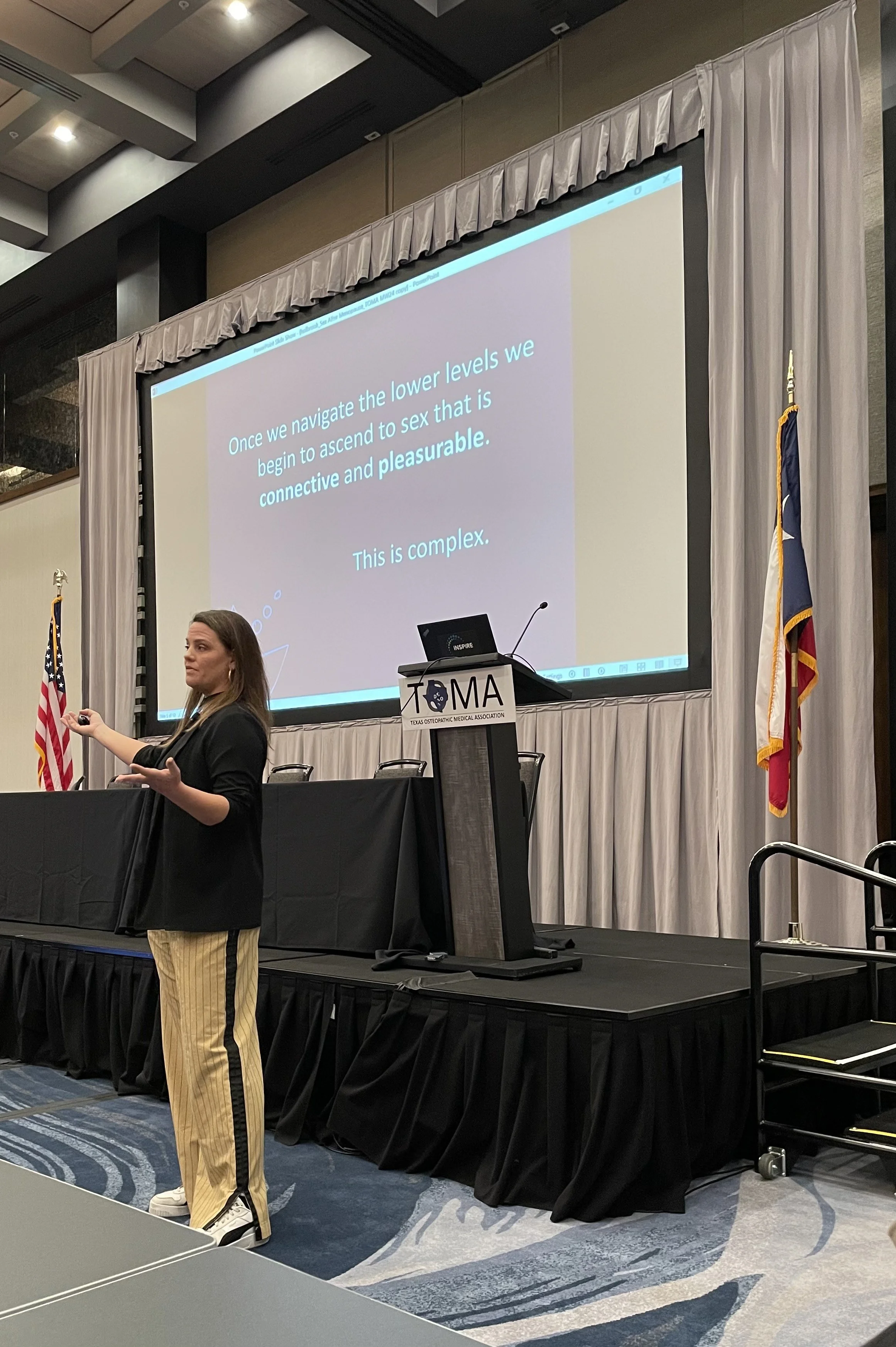
This one difficult concept regularly comes up with couples in my practice.
This is what I hear:
“If we don’t have sex, my partner gets grumpy and distant.”
There is a lot to unpack here. Buckle in.
First, let’s talk about why somebody might feel frustrated when sex doesn’t happen. Most often I see this when sex has been placed on a pedestal and is being used to emotionally regulate by one partner. We see this often in men (but not always) because as a society, we do not encourage men to express softness, vulnerability, tenderness and seek emotional connection outside of a sexual experience. We encourage men to be stoic, rational, tough, practical and sturdy. However men have just as much need for connection through vulnerability as women do. So they have found that connection in the one place society says is “okay” for them to do so.
Sex.
Men do not have weird biological clocks, determining how long they can go between sexual experiences. They are, however, human beings in search of emotional wellbeing that has unfortunately been dictated by thousands of years of societal pressure to look a certain way. We absolutely need to do better in supporting men’s emotional experience, encouraging emotional regulation in myriad ways, opening up the possibility that sex can be simply for pleasure and connection and not *always* the singular route to feeling personally better, emotionally.
But does this mean that being “grumpy” when sex doesn’t happen is helpful for themselves or their partners?
No. This next sentence is going to be hard to hear.
When there’s negative consequences to saying “no” to sex, a “yes” is now not fully consensual.
The idea of informed consent is based on equity in power for either choice. (This is why we don’t have sex with our bosses, because if things go south and you want to break up, you could lose your job - this is not an equitable power dynamic - therefore sex isn’t technically consensual.)
Are you saying yes to sex because you are seeking pleasure and connection or are you saying yes to sex because you are avoiding the possible consequences of saying no?
Deep breath. I want you to know that this is a very, very, very, VERY common phenomenon and one that can be ameliorated. Most of the couples I see come in because they think the lower desire partner needs to learn how to want sex more. In reality, there is a lot of work for both partners to do to help sex feel like a beautiful safe place for both of you to go for connection and pleasure.
If this is part of your narrative, you aren’t alone.
I’d love to be a part of your solution.
With love and pleasure,
~ Celeste
-
Book a single session and let’s get to know each other. I’m very invested in helping you find the right fit in a provider, and if that isn’t me, I’ll give you some recommendations for a better fit. Let’s go!
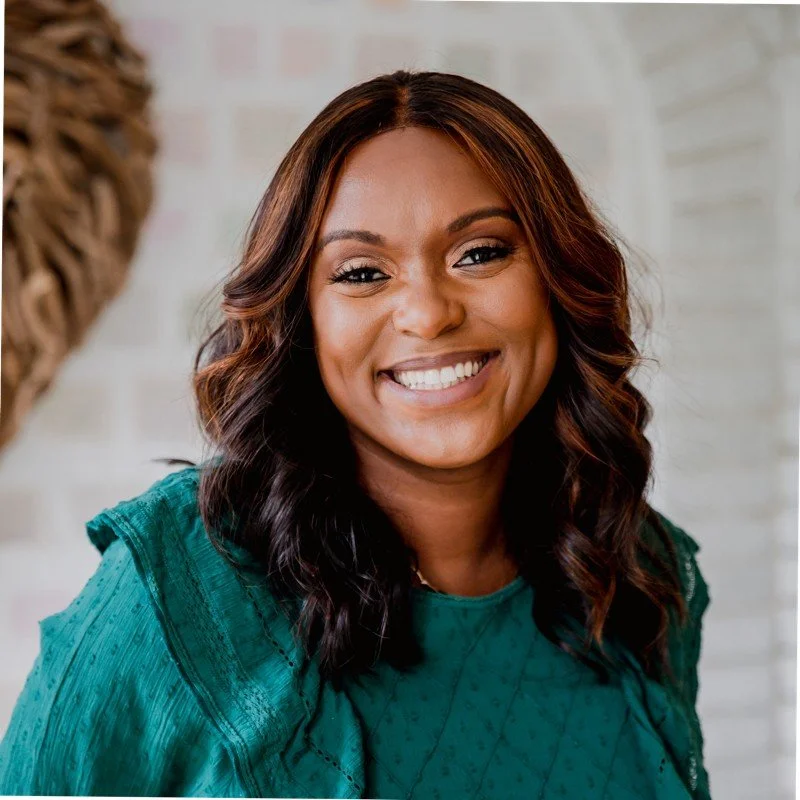
SPOTLIGHT:
Faith Broussard Cade is known as @fleurdelisspeaks on Instagram and writes the most beautiful affirmations for us to heal as a collective.
You MUST check her out.